
Your gutters protect far more than your roof. They steer thousands of gallons of rainwater away from your shingles, siding, foundation, and landscaping every year. Most homeowners only notice them when something goes wrong, and by then the damage has often spread well beyond the gutter itself.
Here's what your gutters really do, what happens when they fail, and how to keep them working.
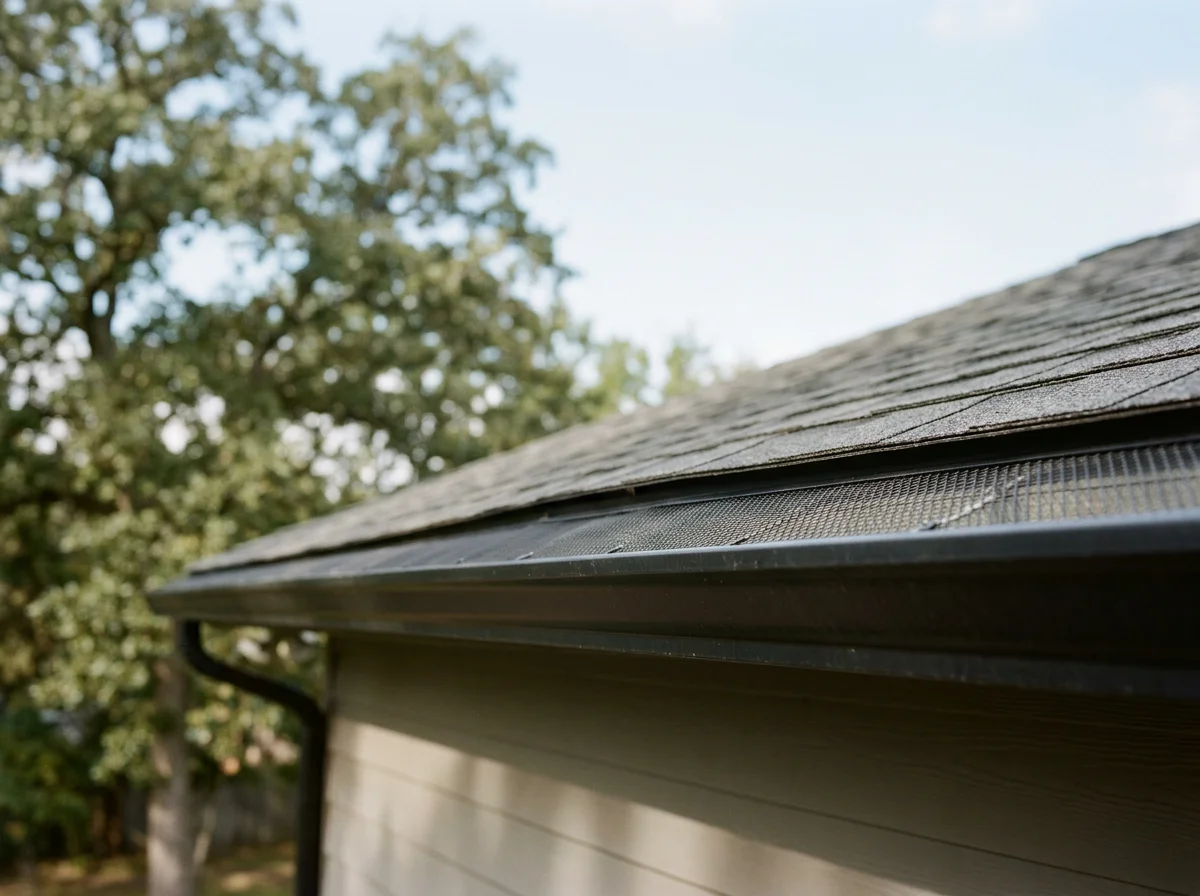
What your gutters actually do
A roof sheds water, but it doesn't decide where that water goes. Gutters do. They catch the runoff at the roof's edge and carry it through downspouts to a safe spot away from the house.
Without them, water pours straight off the eaves. It splashes against siding, soaks the soil right next to your foundation, and carves trenches in flower beds. Even a moderate rainstorm can send a surprising amount of water off an average roof, all of it looking for somewhere to go.
What happens when gutters fail
Clogged, sagging, or leaking gutters don't just overflow. They push water into places it was never meant to go.
Roof edge and decking: Water that backs up in a clogged gutter can wick under the bottom row of shingles and rot the roof decking along the edge.
Fascia and soffits: The boards your gutters attach to stay wet, soften, and rot. Once the fascia weakens, the gutters pull away even further.
Foundation: Water dumped next to the house saturates the soil. Over time that can lead to cracks, settling, and shifting.
Basements and crawl spaces: Pooling water finds its way inside, bringing leaks, mold, and musty odors.
Siding and windows: Constant overflow stains siding, peels paint, and lets water seep in around window frames.
Landscaping and walkways: Sheets of water wash out mulch and soil and can leave slick or icy patches on walkways.
Pests: Standing water and wet debris attract mosquitoes, and damp wood draws termites and carpenter ants.
Most of these repairs cost far more than a gutter cleaning or repair would have.
Warning signs your gutters need attention
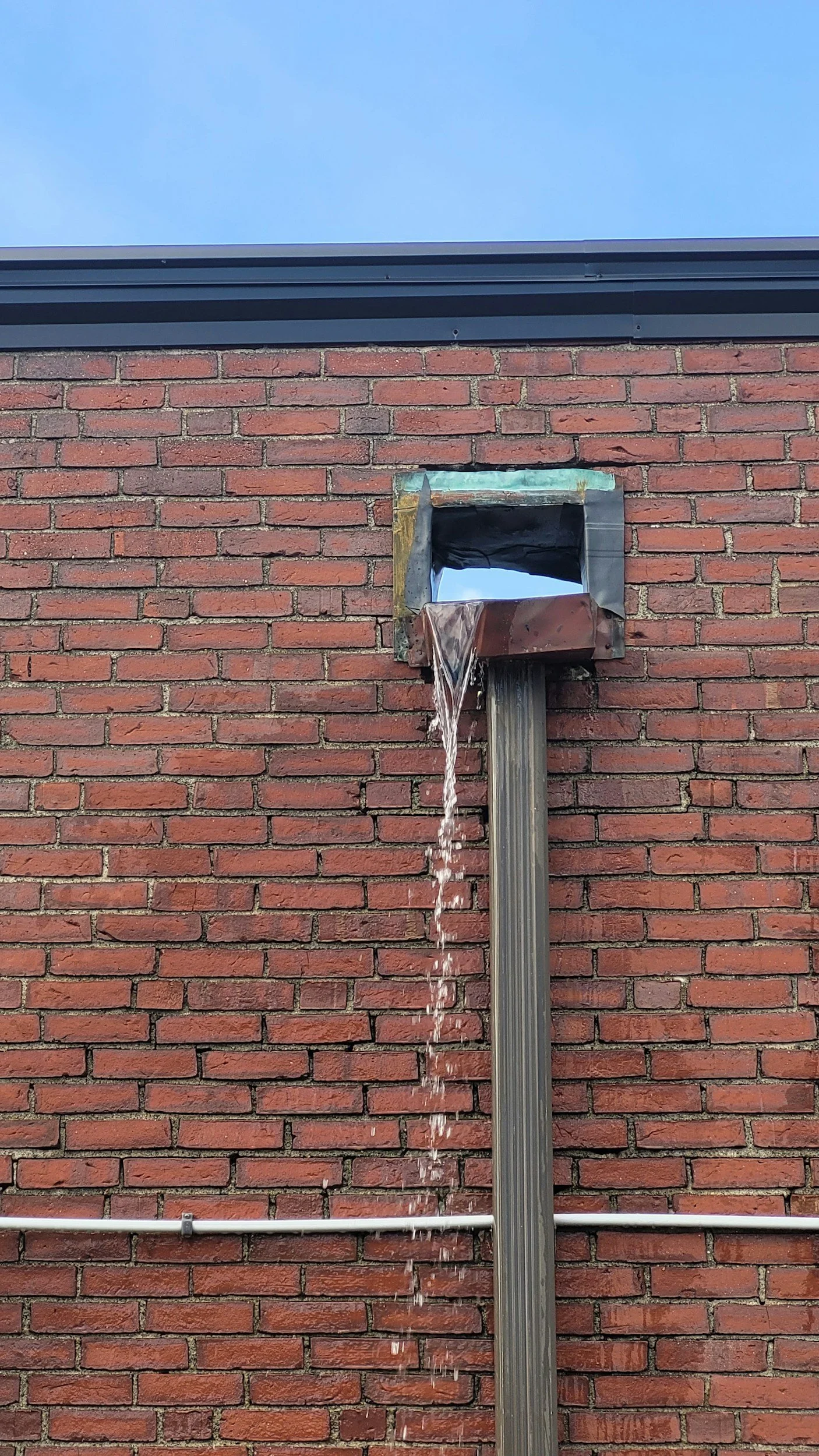
You can spot most gutter problems from the ground. Watch for:
Water spilling over the sides during rain
Gutters sagging or pulling away from the house
Plants, moss, or debris visible along the gutter line
Peeling paint, rust spots, or water stains on siding or fascia
Puddles, erosion, or mulch washed away near the foundation
Downspouts that drip or barely flow during a storm
Separated seams, cracks, or loose fasteners
Damp spots or new cracks in your basement or crawl space
If you notice any of these, it's worth having someone take a closer look before the next big storm.
Fall gutter maintenance tips
Fall is the most important time of year for gutters. Falling leaves clog them fast, and you want them clear before winter weather arrives.
Clean them at least twice a year. Late spring and late fall are the usual times. Homes surrounded by trees may need it more often.
Flush the downspouts. Run a garden hose down each one to make sure water flows freely all the way through.
Check the slope. Gutters should tilt slightly toward the downspouts. Standing water after a rain means the pitch is off.
Extend your downspouts. Water should discharge several feet away from the foundation. Inexpensive extensions or splash blocks help.
Tighten loose hangers. Secure brackets and fasteners so gutters can hold the weight of water, debris, and ice.
Stay safe. Gutter work means ladder work. If you're not comfortable on a ladder, or your home is two stories or more, leave it to a professional.

Repair, replace, or add gutter guards?
Not every gutter problem calls for new gutters. Leaky seams, a loose section, or a single damaged downspout can usually be repaired.
Replacement makes more sense when:
Rust, cracks, or leaks show up in several places
Gutters keep sagging even after the hangers are fixed
The fascia behind them has rotted and needs replacing anyway
They're undersized for your roof and overflow even when clean
You're replacing your roof, which is the ideal time to upgrade gutters too
Gutter guards can cut down on how often you need to clean, especially if you have a lot of trees. They don't make gutters maintenance-free, though. Guards still need an occasional check, and the right type depends on your roof and the debris around your home.
Protect your home before the next storm

Your roof and gutters work as one system. When one fails, the other pays the price. A quick inspection now can catch small problems before they turn into rotted fascia, a leaking roof edge, or foundation damage.
RK Roofing can inspect your roof and gutters together, then tell you what needs attention now, what to keep an eye on, and what can wait. Contact RK Roofing to schedule your inspection.