
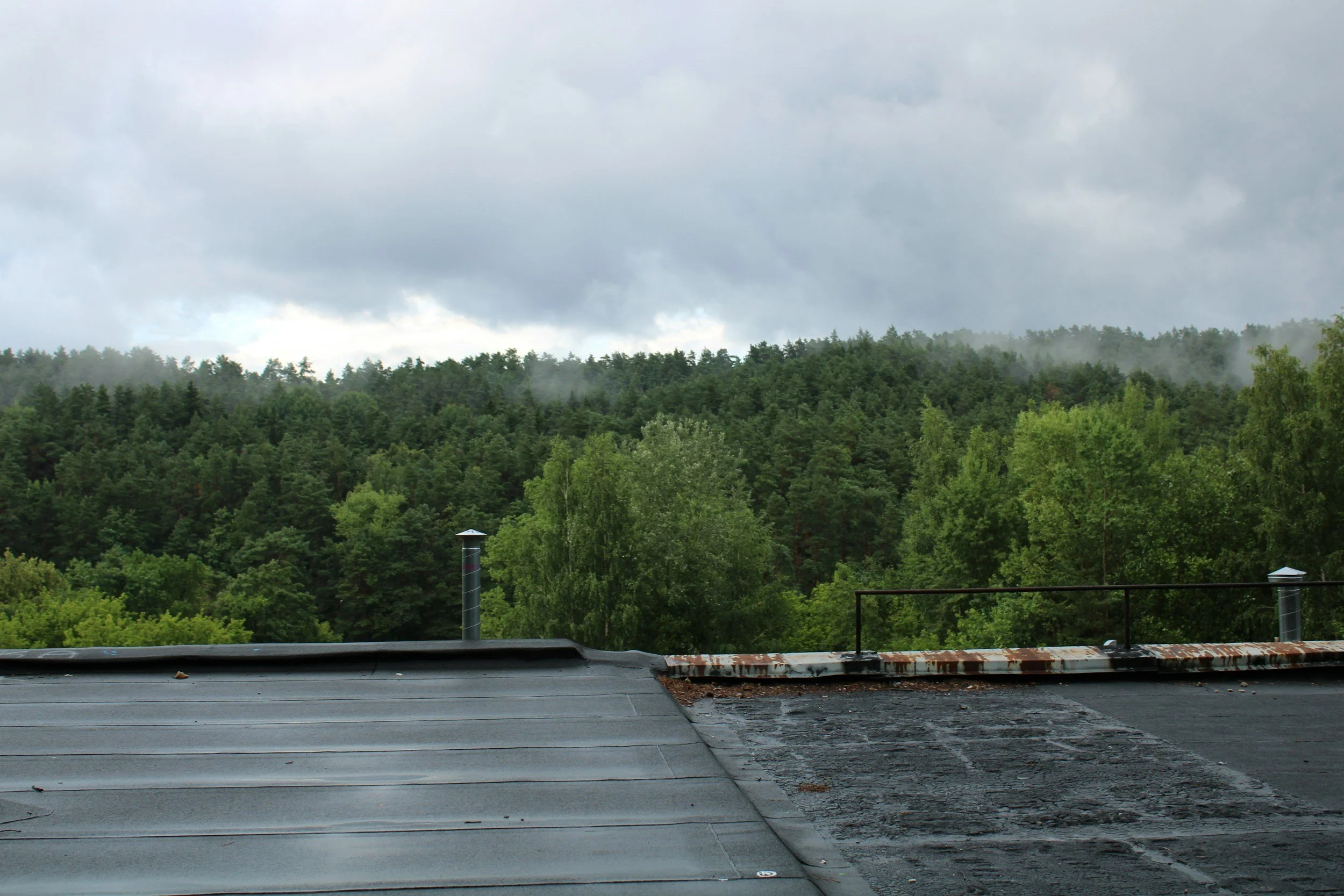
For commercial property owners and facility managers, the condition of a building's roof is more than a maintenance concern. It is a significant investment that directly affects the protection, operation, and long term value of the property.
When a commercial roof begins showing signs of age or deterioration, one of the first questions is whether it needs to be completely replaced or if restoration is a viable alternative.
Both options can extend the service life of a roofing system, but they serve different purposes. The right decision depends on the roof's existing condition, underlying structure, moisture levels, drainage, material type, and long term performance expectations.
Understanding the difference can help property owners make a more informed decision and avoid investing in a solution that may not address the underlying problem.
Understanding Commercial Roof Replacement
A complete roof replacement involves removing some or all of the existing roofing system and installing a new assembly. Depending on the condition of the existing roof, this may include removing the existing membrane, insulation, flashing, and other roofing components before installing new materials.
Replacement is generally the better option when a roofing system has reached the end of its service life or has experienced significant deterioration that cannot be adequately addressed through repairs or restoration.
Situations that may warrant replacement include:
Widespread water intrusion or moisture trapped within the roofing assembly.
Significant deterioration, blistering, or membrane failure.
Saturated or compromised insulation.
Structural concerns or deteriorated roof decking.
Repeated leaks and ongoing repair needs.
A roofing system that no longer meets the property's performance or building requirements.
A replacement provides an opportunity to address underlying issues, improve drainage, upgrade insulation, and install a new roofing assembly designed for the building's current and anticipated needs.
For commercial properties with extensive deterioration, replacement may be the more responsible long term investment.
Understanding Commercial Roof Restoration
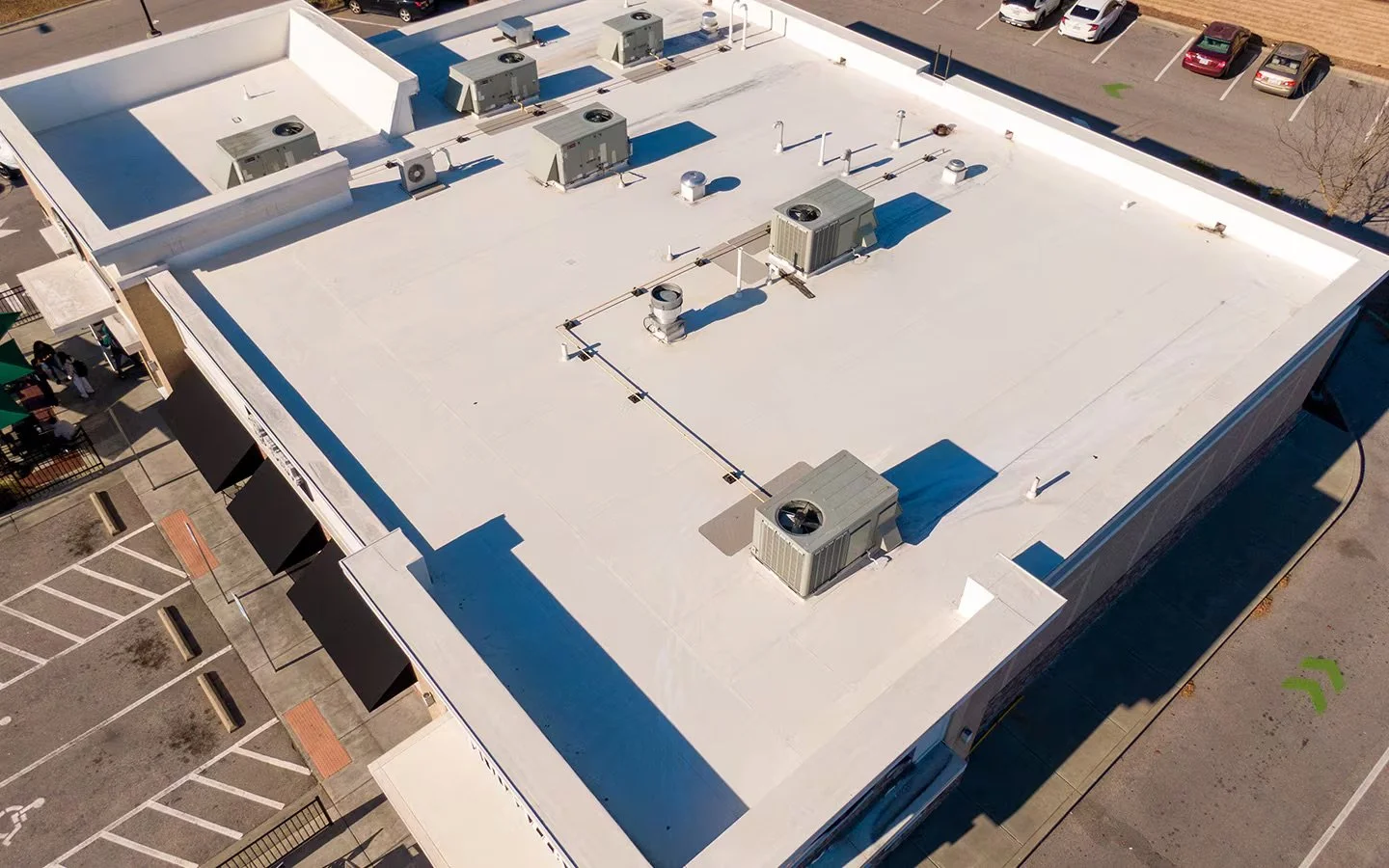
Roof restoration focuses on extending the service life of an existing roofing system without completely removing and replacing it.
Depending on the existing roof type and its condition, restoration may involve repairing damaged areas, replacing deteriorated flashing, addressing drainage issues, reinforcing vulnerable details, and applying a compatible protective coating or restoration system.
Common restoration approaches include:
Roof coatings: Specialized coatings applied over suitable existing roofing systems to provide an additional protective layer.
Seam and flashing reinforcement: Addressing vulnerable transitions, seams, penetrations, and other areas susceptible to water intrusion.
Localized repairs: Correcting isolated areas of damage before they develop into larger problems.
Drainage improvements: Addressing ponding water and drainage deficiencies where feasible.
Restoration can be a practical option when the existing roofing system remains structurally sound, the underlying insulation and decking are in acceptable condition, and the roof is suitable for the proposed restoration system.
However, restoration is not appropriate for every roof. Applying a coating or protective system over an extensively deteriorated or moisture compromised assembly does not resolve the underlying problems.
A proper evaluation is essential before determining whether restoration is a responsible solution.The Details Are Where Quality Shows
Roofing failures frequently begin at the details.
Flashing transitions, penetrations, valleys, wall intersections, drainage points, vents, skylights, and changes in roof elevation require careful attention.
On a high end property, those details can also have significant aesthetic implications.
A properly executed roofing system should look intentional from every angle while providing the protection expected from a premium installation.
That means understanding how the entire roof system works together rather than simply focusing on the visible surface.
Replacement vs. Restoration: What Should Property Owners Consider?
There is no universal answer. The best approach depends on several factors that should be evaluated before committing to a project.
1. The Existing Condition of the Roof
The overall condition of the roofing system is one of the most important considerations.
A roof with isolated areas of deterioration may be a good candidate for repairs or restoration. A roof with widespread membrane failure, saturated insulation, or significant water intrusion may require replacement.
An evaluation should look beyond the visible surface. Conditions beneath the membrane can be just as important as what is visible from the rooftop.
2. Moisture and Insulation Conditions
Moisture trapped beneath an existing roofing membrane can compromise insulation performance and contribute to continued deterioration.
Before recommending restoration, contractors should determine whether moisture is present within the existing roofing assembly. Depending on the project, this may involve moisture surveys, infrared assessments, test cuts, or other investigative methods.
Restoring over wet or compromised materials without addressing the underlying conditions can lead to continued problems and premature system failure.
3. Long Term Costs and Investment
Restoration may require a lower initial investment than complete replacement in suitable conditions. However, the lowest upfront cost does not always represent the best long term value.
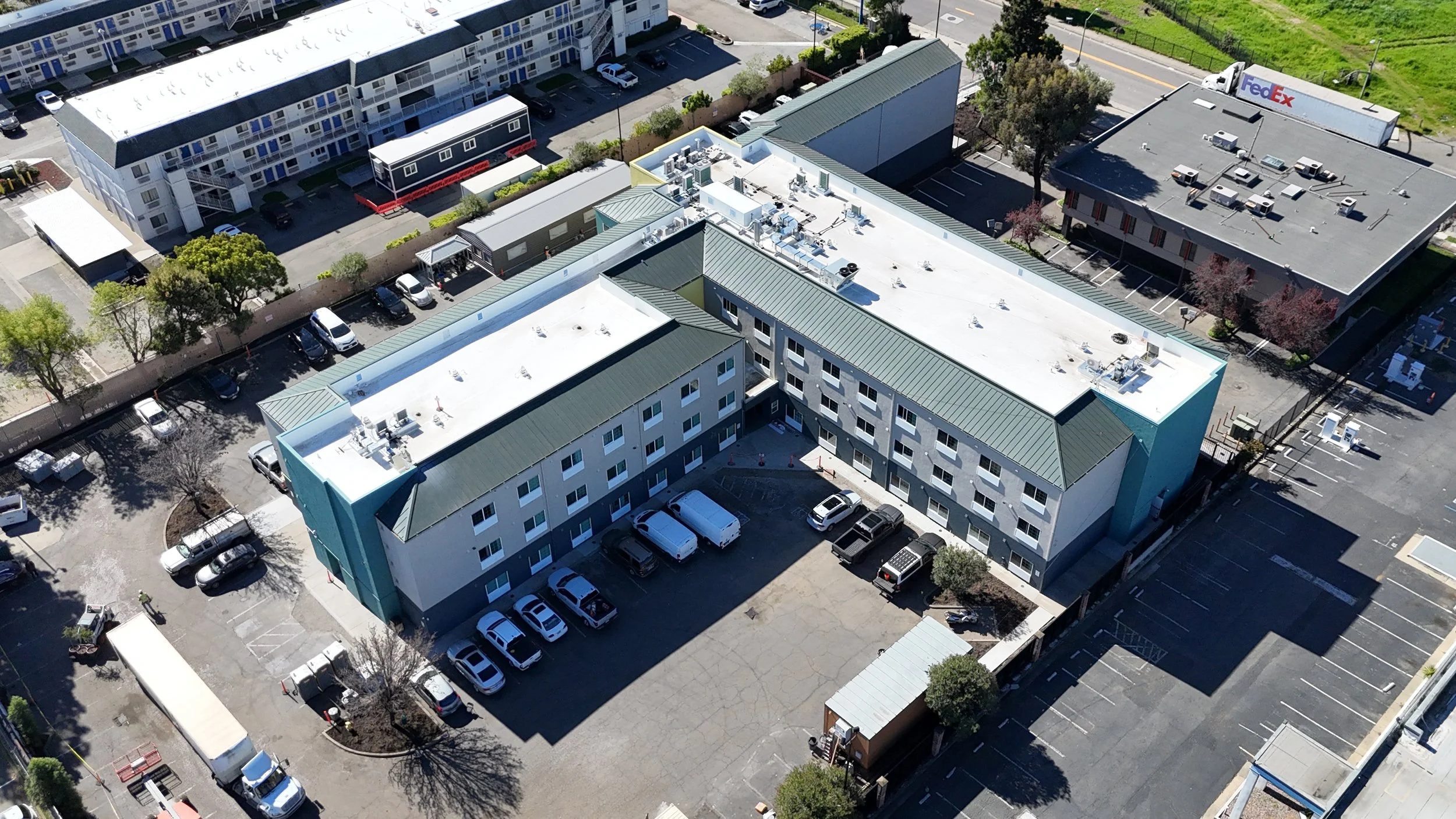
Property owners should consider:
The anticipated service life of the proposed solution.
The condition and expected performance of the existing roof.
Future maintenance requirements.
Potential repair expenses.
Energy efficiency and insulation considerations.
Warranty coverage and manufacturer requirements.
The possibility of eventually needing a complete replacement
A replacement may involve a greater initial investment, but it can provide a more comprehensive solution when the existing system has reached the end of its useful life.
The goal should be to select a roofing solution that makes financial sense over the life of the building, not simply the least expensive option available today.
4. Drainage and Water Management
Proper drainage is critical to the performance of any commercial roofing system.
Ponding water, clogged drains, deteriorated flashing, and improperly managed runoff can contribute to premature roof deterioration and recurring leaks.
Before pursuing restoration or replacement, existing drainage conditions should be evaluated. Depending on the roof design, improvements may include correcting drainage slopes, addressing low areas, improving drain performance, or modifying other drainage components.
A new coating or membrane alone will not correct an underlying drainage problem.
5. Building Requirements and Roofing System Compatibility
Commercial roofing projects may involve specific building code requirements, energy efficiency standards, fire ratings, and manufacturer specifications.
The existing roofing assembly, proposed materials, building use, and scope of work all influence which options are appropriate.
For example, low slope commercial roofing systems may utilize TPO, PVC, EPDM, modified bitumen, or built-up roofing assemblies. Each system has different installation requirements, repair considerations, and compatibility limitations.
A restoration system must be compatible with the existing roof and installed according to applicable manufacturer specifications.
When replacement is necessary, it also provides an opportunity to evaluate whether a different roofing assembly would better serve the building.
Common Commercial Roofing Systems
The type of existing roofing system also plays a role in determining the available options.
TPO (Thermoplastic Polyolefin)
TPO is a single-ply roofing membrane commonly used on commercial and industrial buildings. Its heat-welded seams and reflective surface make it a popular option for low slope applications.
PVC (Polyvinyl Chloride)
PVC is another single-ply membrane system known for its welded seams and resistance to various chemicals, making it useful for certain commercial and industrial environments.
EPDM (Ethylene Propylene Diene Monomer)
EPDM is a synthetic rubber roofing membrane frequently used on low slope roofs. It is known for flexibility and weather resistance.
Modified Bitumen
Modified bitumen is an asphalt-based roofing system commonly installed in multiple layers. It offers a durable option for many commercial applications.
Built-Up Roofing (BUR) or Overlay
Built-up roofing consists of multiple layers of reinforcing materials and bitumen, typically finished with a protective surfacing material.
One practice sometimes proposed for existing BUR systems is a roof overlay, in which a new roofing layer is installed directly over the existing system rather than removing and addressing the underlying materials.
At RK Roofing, we do not recommend this approach. While an overlay may appear to provide a quick or less expensive solution, it can ultimately act as a temporary cover over much larger underlying problems.
Existing moisture intrusion, deteriorated materials, and concealed damage are not corrected simply by installing another layer of roofing over them. Instead, an overlay can trap existing moisture within the roofing assembly, conceal ongoing deterioration, and make it more difficult to identify and address problems before they become more extensive.
What may initially seem like a cost saving measure can lead to additional complications, repairs, and expenses down the road.
We believe roofing solutions should address the source of a problem, not simply cover it up. When an existing BUR system has reached the point where significant deterioration or moisture damage is present, proper evaluation and removal of compromised materials may be necessary before installing a new roofing system.
A roof should be built on a sound foundation, not another layer of unresolved problems. RK Roofing does NOT recommend overlays.
Why a Professional Roof Evaluation Matters
One of the biggest mistakes property owners can make is deciding between restoration and replacement based solely on the visible condition of the roof or the price of a proposal.
A comprehensive evaluation should consider the entire roofing assembly, including:
Existing membrane condition and remaining service life.
Flashing, seams, penetrations, and roof transitions.
Insulation and underlying substrate conditions.
Roof drains, scuppers, and overall drainage.
Evidence of moisture intrusion.
Existing repairs and recurring problem areas.
Applicable building requirements and manufacturer specifications.
A qualified roofing contractor should be able to explain the findings, identify areas of concern, and provide recommendations supported by the actual condition of the roof.
Property owners should also be cautious of proposals that recommend coatings or restoration without adequately evaluating the existing roofing assembly.
Making the Right Investment for Your Property
Every commercial building has different needs. A warehouse, office building, retail center, institutional facility, and industrial property may each require a different approach to roofing maintenance and long term protection.
In some cases, restoration can provide additional service life and delay the need for a complete replacement. In others, replacement is the more appropriate solution to address extensive deterioration and protect the building moving forward.
The important thing is understanding what the roof actually needs before making a significant investment.
At RK Roofing & Construction, Inc., we work with commercial property owners, facility managers, and building professionals throughout the Bay Area and Northern California to evaluate roofing conditions and identify practical solutions.
Our team brings experience across a range of commercial roofing systems, including TPO, PVC, EPDM, modified bitumen, and built-up roofing. With directly employed crews and a hands-on approach to project management, we prioritize quality workmanship, clear communication, and solutions tailored to each property's needs.
Whether your building requires targeted repairs, ongoing maintenance, restoration, or a complete roof replacement, our goal is to help you make an informed decision that protects your investment.
Have questions about the condition of your commercial roof?
Contact RK Roofing & Construction, Inc. to discuss your property and explore the right approach for your roofing needs.
RK Roofing & Construction, Inc.
(510) 902 ROOF