
El Niño Is Coming: Your Pre-Storm Roof Checklist for Bay Area Homes and Businesses
Governor Newsom has declared a statewide emergency ahead of what may be the strongest El Niño on record. Here's how to make sure your roof is ready before the first storm.
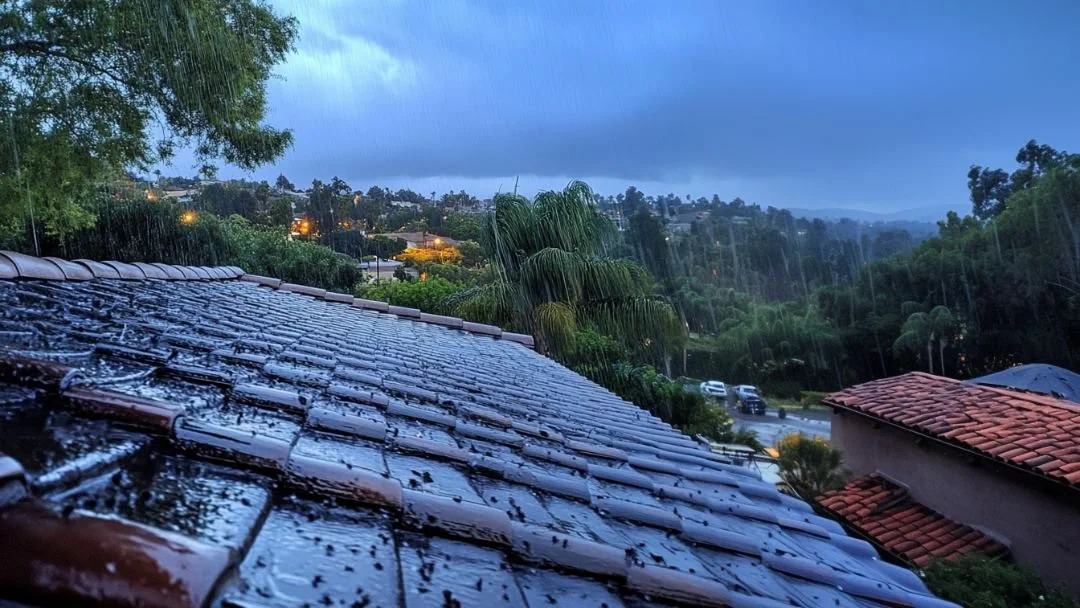
Beat the Storms with RK Roofing's Fixed Fee Programs
Take advantage of our Fixed Fee Repair Program and pre-El Niño roof maintenance, or lock in an annual fixed-fee maintenance plan to keep your roof protected all season. Both are available for commercial and residential roofs.
Request a Free Estimate today: Call (510) 902-ROOF (7663), Email admin@rkroofs.com, or visit rkroofs.com/contact.
On September 21, 2026, Governor Gavin Newsom declared a statewide state of emergency to get California ready for a developing El Niño season that forecasters say could be historic. Federal forecasters put the odds of a very strong El Niño this fall and winter at more than 90%, and they estimate a 75% chance it reaches historic strength.
The proclamation directs state agencies to stage sandbags and pumps, prepare roads and infrastructure, and position emergency crews. The state is also asking homeowners to prepare now, and one of its first recommendations is to clear drains and gutters before severe weather arrives.
At RK Roofing & Construction Inc., we've protected Bay Area properties since 2004. The most important thing we've learned is simple: a roof problem costs far less to fix in September than in the middle of a December downpour.
What El Niño Could Mean for Bay Area Roofs
El Niño is a stretch of unusually warm water in the tropical Pacific. It can push the jet stream south over California, which often brings repeated rounds of heavy rain and strong winds. Climate scientists say this event will probably last through early spring 2027, so the Bay Area could face months of storms rather than a single one.
The Bay Area has been through this before. During the 1997–98 El Niño, the USGS recorded about $27 million in landslide damage in Contra Costa County alone. Nobody can predict exactly how much rain any one city will get. Still, experts say this season deserves serious attention, and weeks of wind driven rain will find every weak spot on a roof.
Your Pre-Storm Roof Check: What to Look For
You can do most of these checks from the ground with binoculars or from inside your attic. Please don't climb onto your roof, especially when it's wet. That part is our job.
1. Clean and Inspect Your Gutters and Downspouts
Clogged gutters are one of the most common reasons roofs leak during heavy rain. When water can't drain, it backs up under shingles and into fascia boards and walls. Clear out leaves and debris, and check for sagging sections, loose brackets, and leaking seams. Make sure each downspout sends water at least a few feet away from your foundation.
2. Look for Damaged or Missing Shingles
After a long, dry Bay Area summer, UV exposure and heat take a toll on asphalt shingles. Scan your roof for shingles that are cracked, curling, buckling, or missing. A pile of granules in your gutters or at the bottom of downspouts can mean your shingles are near the end of their life.
3. Check the Flashing Around Chimneys, Skylights, and Vents
Flashing is the metal that seals the joints where your roof meets a chimney, skylight, wall, or vent. It's one of the most common places for leaks to start. Look for flashing that has lifted, rusted, or separated, and for cracked or peeling sealant.
4. Inspect Pipe Boots and Roof Vents
The rubber collars around plumbing vent pipes dry out and crack over time. Because they're small, they're easy to miss. They're also a surprisingly common source of leaks during long storms.
5. Check Your Attic
Your attic often shows a problem before your ceiling does. On a sunny day, go up with a flashlight and look for water stains on the rafters or decking, damp or matted insulation, musty smells, and any daylight coming through the roof boards.
6. Watch for Warning Signs Inside
Brown stains on ceilings, bubbling paint, and peeling wallpaper near exterior walls can all mean water is already getting in. A small stain now can turn into a major repair after a few big storms.
7. Trim Overhanging Trees
Strong El Niño winds can bring branches down onto your roof. Branches that rub against the roof also wear down shingles over time. Trim any limbs hanging over your home, and have a professional handle large trees.
For Commercial Properties and Flat Roofs
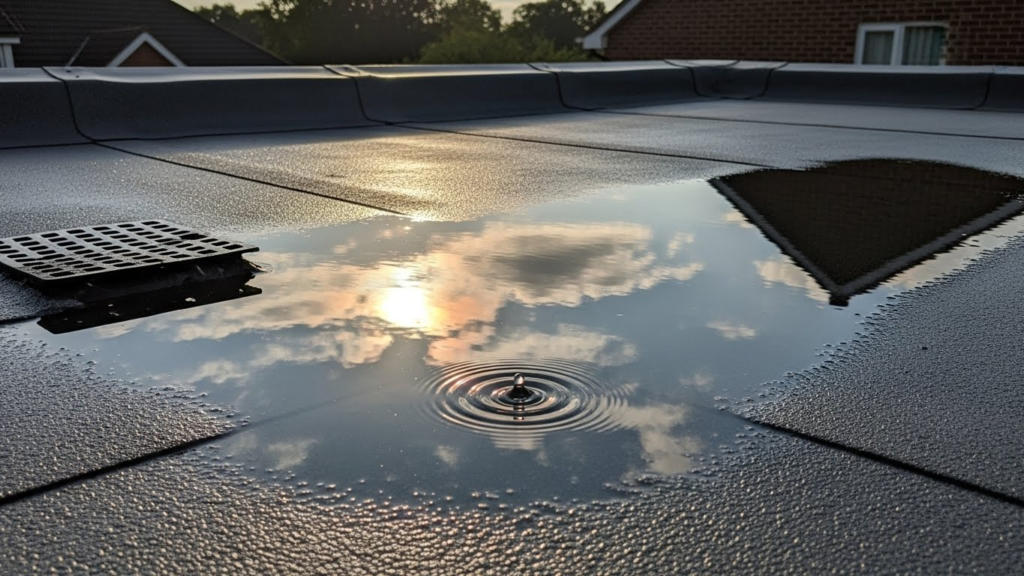
Low slope and flat roofs have their own storm risks. Property managers, business owners, and facility teams should check the following:
Ponding water: Standing water that stays 48 hours after rain can mean drainage or structural problems.
Drains and scuppers: Clear debris so water can leave the roof quickly during heavy rain.
Membrane seams: On TPO, PVC, and modified bitumen systems, look for seams that are separating, as well as blisters, punctures, or cracks.
Rooftop equipment: Check the seals and flashing around HVAC units and other penetrations.
A leak in a commercial building can damage inventory, disrupt tenants, and shut down operations, so preventive maintenance matters even more there.
Don't Wait for the First Storm
When heavy rain starts, calls to roofers across the Bay Area jump, and emergency schedules fill up fast. Scheduling a professional inspection now gives you time to make repairs on your schedule instead of in a crisis.
If a leak starts during a storm, move valuables away from the water, put buckets under drips, and take photos for your insurance records. Then call a licensed roofer right away. Don't try to make roof repairs yourself in wet or windy conditions.
Get Your Roof El Niño Ready with RK Roofing
RK Roofing & Construction Inc. has more than 20 years of experience and holds California B General Contractor and C-39 Roofing Contractor licenses (CSLB #781758). We serve residential, commercial, and public sector clients across all nine Bay Area counties. Our services include roof inspections, repairs, gutter installation, full replacements, and emergency roof repair, and our work is backed by a transferable five year workmanship warranty.
Contact our team today to request a detailed roofing proposal and make an informed decision with confidence.